
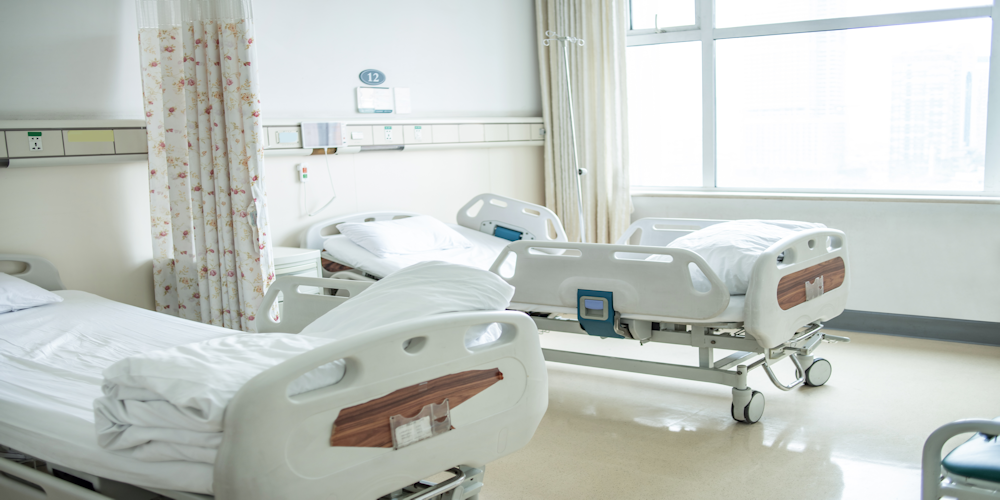
Primary Means of Infection Control in Healthcare
In today’s NHS, the primary means of infection control are not optional extras or ‘nice to have’ practices – they are essential defences that protect patients, staff and the wider community. With increasing pressures on hospitals, rising antimicrobial resistance and an ageing population with complex health needs, robust infection prevention measures are more critical than at any point in recent history. Every lapse in infection control can lead to avoidable harm, longer hospital stays, higher costs, and, in some cases, loss of life.

Healthcare-associated infections are largely preventable when staff follow core infection control strategies consistently and correctly. Effective infection prevention is central to patient safety and quality of care. It underpins public trust in the NHS and helps to ensure that precious healthcare resources are not diverted to treat infections that could have been avoided. Strong infection control in hospitals and other care settings reduces the burden of illness, supports timely treatment, and enables services to function more efficiently. When primary measures such as hand hygiene, standard precautions and environmental cleanliness are embedded into everyday practice, they form an invisible safety net that protects everyone who passes through a healthcare setting.
Understanding Infection Transmission: How Infections Spread
To control infection effectively, it is vital to understand how infections spread in clinical environments. In healthcare settings, microorganisms can travel along well-defined routes of transmission, turning ordinary patient contact into an opportunity for cross-contamination if safeguards are not observed.
Contact transmission is the most common route, occurring when pathogens are transferred via direct physical contact, such as touching a patient’s skin or wounds, or indirectly via contaminated surfaces, equipment or clothing. Droplet transmission happens when respiratory droplets, for example from coughing, sneezing, or talking, carry infectious agents over short distances and land on the mucous membranes of the eyes, nose, or mouth. Airborne transmission involves much smaller particles that can remain suspended in the air longer and travel farther, posing particular risks in poorly ventilated areas or during aerosol-generating procedures.
Bloodborne infections are transmitted through exposure to infected blood and certain body fluids, often via sharps injuries, needlestick incidents or unsafe handling of specimens. Throughout the healthcare environment, reservoirs of infection – such as colonised patients, contaminated devices, sinks, or even staff hands – can maintain and spread microorganisms. These elements form part of the chain of infection: a sequence that begins with an infectious agent and moves through reservoirs, routes of exit and entry, and susceptible hosts. Breaking any link in this chain through good practice is central to preventing infection and safeguarding patient safety.
Hand Hygiene: The Single Most Effective Primary Means of Infection Control in Healthcare
Among all infection prevention measures, hand hygiene remains the single most effective and straightforward action healthcare workers, patients and visitors can take. Hands are the primary vehicle for transferring microorganisms between patients, staff, and the environment. Rigorous hand hygiene interrupts this transfer and significantly reduces the risk of cross-infection.
Hand washing with soap and water is essential when hands are visibly soiled, after contact with bodily fluids, and when dealing with certain organisms such as C. difficile, where alcohol alone is insufficient. Alcohol-based hand rubs are highly effective, quick to use and ideal for most routine clinical interactions, making them indispensable at the point of care. The WHO’s “Five Moments for Hand Hygiene” provide clear, evidence-based guidance: before touching a patient, before clean/aseptic procedures, after body fluid exposure risk, after touching a patient, and after touching patient surroundings.
High hand hygiene compliance is not simply a box-ticking exercise; it directly correlates with lower infection rates. Reliable hand decontamination must be a habit, not an afterthought, for staff, patients and visitors alike. Clear signage, easily accessible hand rub dispensers, and consistent role modelling by senior staff all help reinforce the message. Treating hand hygiene as a non-negotiable standard is a powerful step towards preventing cross-infection and ensuring a safer clinical environment.
Personal Protective Equipment (PPE): Using Barriers Effectively, Not Just Wearing Them
Personal protective equipment is a vital barrier between infectious agents and vulnerable people, but its effectiveness depends on correct selection, fitting and use. Gloves, gowns, aprons, masks, respirators and eye protection all have specific roles within both standard and transmission-based precautions. Simply putting on PPE is not enough; staff must use it appropriately and remove it safely to avoid contamination.
In UK healthcare settings, clear PPE policies guide staff on when to use which items based on the level and type of risk. For example, gloves and aprons may be required for contact with blood or body fluids, while fluid-resistant surgical masks or respirators are needed when there is a risk of droplet or airborne spread. Safe donning and doffing techniques are crucial to protect the wearer and prevent spreading contaminants elsewhere. Incorrect removal of PPE can undo the protection it was intended to provide.
When PPE is chosen in line with standard precautions and enhanced further for transmission-based precautions in known or suspected cases, it acts as a reliable barrier. Staff must be confident and competent in its use, regularly refreshed through training and practice. Properly used PPE supports wider infection control strategies and demonstrates a visible commitment to safety that reassures patients and colleagues.
Standard Precautions: The Foundation of Infection Prevention for Every Patient, Every Time
Standard infection control precautions provide the bedrock of safe healthcare practice. They are not reserved for high-risk patients or special situations; instead, they apply to every patient, every time, regardless of diagnosis or perceived risk. This universal approach reflects the reality that many infections are not immediately apparent and that early, consistent precautions prevent transmission.
Key elements include risk assessment before every interaction, safe handling of blood and body fluids, appropriate use of PPE, isolation rooms, meticulous hand hygiene, respiratory hygiene and cough etiquette. Staff must assume that all blood and certain body fluids are potentially infectious and act accordingly, in line with the long-established principle of universal precautions.
By embedding these routine infection control practices into daily workflows, staff protect themselves, their colleagues and their patients. Standard precautions reduce the need for reactive, crisis-driven responses by preventing infections from taking hold in the first place. When consistently applied, they lower healthcare-associated infection rates and contribute significantly to overall patient safety.
Environmental Cleaning and Disinfection: Breaking the Chain of Infection in Clinical Areas
The clinical environment plays a major role in sustaining or interrupting infection spread. Surfaces, equipment and shared spaces can act as reservoirs for pathogens if not cleaned and disinfected properly. Environmental decontamination is therefore a core infection-control measure, not a secondary housekeeping concern.
Routine hospital cleaning with appropriate disinfectants is essential, with particular attention to high-touch surfaces such as bed rails, door handles, call bells, trolleys, and worktops. These areas are frequently contaminated and can easily transfer microorganisms between patients and staff. Specialist approaches, including enhanced or terminal cleaning, are required for isolation rooms and areas where patients with known infections have been cared for, to ensure that no residual contamination remains once they are discharged or transferred.
Effective equipment cleaning – from blood pressure cuffs and commodes to infusion pumps – is equally critical. Clear cleaning protocols, colour-coded systems, and defined responsibilities help maintain high standards across wards and departments. Rigorous environmental infection control breaks key links in the chain of infection, creducinghealthcare-associated infections and making clinical areas visibly and microbiologically safer.
Aseptic Technique and Safe Clinical Procedures: Keeping Devices and Wounds Free from Infection
Any procedure that breaches the body’s natural defences carries a risk of introducing infection. Aseptic techniques, including aseptic non-touch technique (ANTT) and sterile techniques, minimise this risk by preventing microorganisms from entering wounds, sterile body sites, or invasive devices.
Correct application of ANTT during procedures such as catheter insertion, cannulation, wound care and the management of invasive lines is crucial. It involves careful preparation, hand hygiene, appropriate sterile or aseptic equipment, and a deliberate effort to avoid touching key parts or sites. In surgical settings, sterile technique goes further, with controlled environments, sterile fields and strict protocols aimed at preventing surgical site infections.
Line care bundles and standardised procedures for catheters, central lines and other devices help ensure that best practice is followed every time, not just when staff remember. Adhering to these measures reduces the risk of bloodstream infections, urinary tract infections and wound complications, leading to better outcomes and fewer extended hospital stays. In this way, asepsis is not simply a technical skill but a central component of safe, high-quality care.
Safe Handling of Waste, Linen and Sharps: Preventing Injury and Contamination
Infection control also depends on what happens to waste, used linen and sharps after clinical care has been delivered. Poor handling and disposal can expose staff, patients and the public to unnecessary risk. Proper management of clinical waste is therefore an essential primary measure of infection prevention, rather than an administrative afterthought.
Sharps safety is paramount. Using safe sharps devices correctly, disposing of sharps immediately in approved sharps bins at the point of use, and never re-sheathing needles all help prevent needlestick injuries and reduce the likelihood of bloodborne virus transmission. Staff must be trained to respond promptly and correctly if an exposure incident occurs, including reporting, risk assessment, and access to post-exposure prophylaxis where indicated.
Contaminated linen must be handled with care, placed in appropriate bags and segregated according to local and national policies. Colour-coded bags and containers for different types of waste – infectious, domestic, offensive and sharps – support correct disposal pathways. When waste streams are well managed, the infection risk from waste is minimised, and the wider environment is protected. This attention to detail in everyday tasks plays a crucial role in occupational safety and infection control.
Antimicrobial Stewardship: Infection Control Through Responsible Use of Antibiotics
Antimicrobial stewardship is integral to infection prevention, helping preserve the effectiveness of existing antibiotics and reduce the emergence of resistant organisms. Overuse and misuse of antibiotics drive resistance, making infections harder to treat and increasing the risk of spread within healthcare environments.
In the UK, clear antimicrobial guidelines and policies support prudent antibiotic prescribing. Clinicians are encouraged to use the right drug, at the right dose, for the right duration, and only when there is a clear clinical indication. Reducing unnecessary antibiotic use directly lowers the risk of Clostridioides difficile infection and helps curb the spread of resistant organisms such as MRSA and multidrug-resistant Gram-negative bacteria.
Robust antimicrobial stewardship programmes contribute to lower rates of healthcare-associated infections and protect the effectiveness of our current treatments for future patients. By seeing antibiotic prescribing as part of infection control, not separate from it, the NHS can tackle resistance and infection risk together, improving outcomes and maintaining the usefulness of vital medicines.
Education, Training and Culture: Embedding Infection Control into Everyday Practice
Technical measures alone are not enough; a strong culture and continuous education must support infection control. Staff need regular, mandatory infection control training to keep their knowledge current and their skills sharp. This training should be practical, relevant to their roles, and reinforced by ongoing reminders, feedback and updates.
Leadership in infection control is vital. Senior clinicians, managers and infection prevention specialists must act as role models, consistently demonstrating best practice and challenging poor habits. Creating a positive infection prevention culture means making it clear that safe practice is everyone’s responsibility, not just specialist teams. Behaviour change techniques, supportive supervision and visible recognition of good practice all help improve compliance.
Patients, families and visitors also have an important role. Clear information, simple guidance and visible prompts – such as posters and hand hygiene stations – encourage them to participate in maintaining a safe environment. When infection control is woven into everyday practice at every level, it becomes a shared commitment rather than a series of rules imposed from above.
Policies, Audits and Governance: Ensuring Infection Control is Measurable and Accountable
Strong policies, effective audits and robust governance are essential to ensure that infection control standards are not only set but consistently met. Written infection control policies provide clear expectations and consistent procedures, guiding staff behaviour across wards and departments. These policies must align with UK guidelines, including NICE guidance and CQC standards, to reflect current best evidence and regulatory requirements.
Regular infection prevention audits, including hand hygiene audits and observations of practice, generate compliance data that can be used to monitor performance, identify gaps and drive improvement. Infection surveillance systems track rates of key healthcare-associated infections, allowing teams to identify trends and evaluate interventions.
Incident reporting and thorough investigation of infection-related events help to uncover root causes and prevent recurrence. Infection control teams play a central role in coordinating these activities, offering expert advice, supporting staff and driving quality improvement. Through this structured governance framework, infection control becomes transparent, measurable and accountable at every level of the organisation.
Real-World Impact: How Robust Infection Control Protects Patients, Staff and the NHS
When primary infection control measures are applied consistently, the benefits are clear and far-reaching. Robust infection prevention significantly reduces hospital-acquired infections, meaning fewer patients experience avoidable complications, and more people can recover quickly and safely. Shorter hospital stays free up beds, reduce waiting times, and help services cope better with demand.
Lower infection rates also mean less need for antibiotics, supporting antimicrobial stewardship and reducing drug-related side effects. Protecting vulnerable patients – including the elderly, immunocompromised, and those undergoing complex surgery or intensive care – is a moral and professional imperative that infection control helps fulfil. Staff also benefit from fewer occupational exposures, less sickness absence, and a safer working environment.
For the NHS as a whole, effective infection control translates into substantial cost savings and more efficient use of resources. Fewer infections mean fewer readmissions, less need for isolation facilities and reduced expenditure on additional treatments. Perhaps most importantly, visible commitment to infection prevention strengthens public confidence in healthcare services, reassuring patients that their safety is at the heart of every decision.
Making the Primary Means of Infection Control in Healthcare Non-Negotiable in Daily Practice
To truly protect patients and staff, primary infection control measures must be treated as non-negotiable elements of everyday practice rather than optional add-ons. Prioritising infection prevention requires clear leadership, consistent messaging, and integrating best practice into all clinical pathways and routines.
This involves taking practical infection control steps at every stage of care: from initial assessment and hand hygiene to safe procedures, environmental cleaning and careful waste handling. It means ensuring that staff have the time, training, equipment and support they need to do the right thing, every time. An effective infection control action plan sets measurable goals, tracks progress, and addresses barriers to good practice.
Ultimately, infection prevention must be recognised as everyone’s responsibility. By embedding these principles into daily habits, teams can improve patient outcomes, safeguard staff and protect the NHS for the future. Making these primary means of infection control non-negotiable is not simply about compliance; it is about a visible, sustained commitment to safety and high-quality care.