
Consider Acupuncture for Muscle and Sprain Injuries
If you’ve pulled a muscle at the gym, twisted your ankle on a run, or are still struggling with a lingering sprain from months ago, you may be wondering what else you can do beyond rest, ice and painkillers. Acupuncture is increasingly being used as a targeted, natural treatment for muscle and sprain injuries, both in everyday life and in sports medicine. It offers drug-free pain relief, supports the body’s own healing processes and can be combined safely with physiotherapy, exercise rehabilitation and conventional medical care.
Rather than simply masking symptoms, acupuncture aims to address the underlying soft-tissue damage, reduce inflammation, improve circulation, and restore normal movement. This makes it a valuable complementary therapy for muscle strains, ligament sprains, and many common sports injuries, whether they are acute (recent) or have become long-standing, chronic problems.
Understanding Muscle and Sprain Injuries
To understand how acupuncture can help, it is useful to know the difference between a muscle strain and a sprain. A muscle strain occurs when muscle fibres or the tendons that attach them to bone are overstretched or torn. This might happen when you lift something too heavy, sprint without warming up properly or repeat the same movement over and over, leading to overuse injuries.
A sprain, on the other hand, involves damage to ligaments – the tough bands of tissue that connect bones and stabilise joints. Ankle, knee and wrist sprains are particularly common, especially in sports like football, rugby, running and racquet sports. Sprains can range from mild stretching of the ligament to partial or complete tears, and they often cause swelling, bruising, pain on movement and joint instability.
Both strains and sprains are types of soft tissue injuries. They can be either acute (from a single incident, such as a fall or a twist) or chronic (developing over time due to repeated stress, poor biomechanics, or inadequate recovery). Symptoms typically include pain, stiffness, swelling, reduced range of motion, muscle spasms and, in more severe cases, difficulty bearing weight or using the affected limb. Even after the initial injury has healed, some people are left with ongoing discomfort, weakness or a tendency to re-injure the same area.
The Principles of Acupuncture and How It Works in the Body
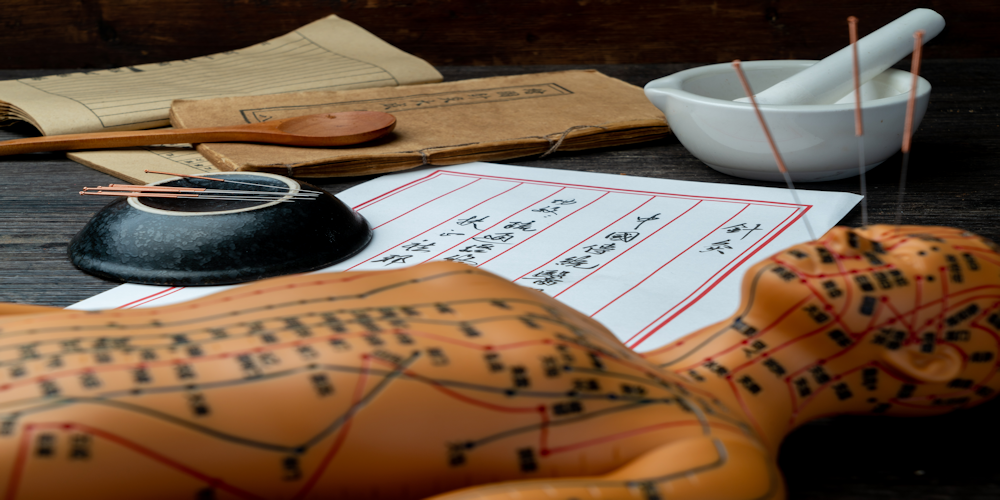
Acupuncture originated in traditional Chinese medicine, where it is understood to work by regulating the flow of qi (vital energy) along pathways called meridians. Very fine, sterile needles are inserted into specific acupuncture points to restore balance, ease pain and support the body’s natural ability to heal itself.
From a modern medical perspective, acupuncture has several measurable neurophysiological effects. Needle stimulation can activate nerves in the skin and muscles, sending signals to the spinal cord and brain. This may trigger the release of endorphins and other natural pain-relieving chemicals, modulate how pain is processed in the nervous system and reduce the perception of pain.
Acupuncture also appears to influence blood circulation, helping to increase blood flow to injured tissues. Better circulation means more oxygen and nutrients are delivered to the area, and inflammatory waste products are removed more efficiently, supporting tissue repair. Additionally, acupuncture can help regulate the autonomic nervous system, easing muscle tension, reducing stress responses, and promoting a state of relaxation conducive to healing.
Western medical acupuncture uses these same techniques but frames them within a scientific model of nerves, muscles and connective tissues rather than traditional qi and meridians. Both traditional and Western approaches aim to stimulate specific points that are known to influence pain pathways and local tissue function.
How Acupuncture Helps Muscle Injuries Heal Faster
For muscle injuries such as strains, tears or chronic tightness, acupuncture can be used to reduce pain, relax overactive muscles and encourage faster healing. By placing needles in and around the injured muscle, as well as along related acupuncture channels, the practitioner aims to ease muscle spasm, release trigger points (knots within muscle fibres) and restore normal muscle tone.
Improved blood flow is a key benefit. When a muscle is injured, there is often a combination of inflammation and protective tightening. Acupuncture can help reduce excessive inflammation while also dilating local blood vessels, bringing fresh blood to the area. This supports the delivery of nutrients needed for tissue repair and helps clear cellular debris.
Techniques such as trigger-point needling (often compared with dry needling) specifically target areas of taut, painful muscle. When these points are released, patients frequently notice an immediate sense of lightness and an increased range of motion. Over a course of treatments, acupuncture may help restore flexibility, reduce stiffness and make it easier to engage in rehabilitation exercises safely.
Acupuncture for Sprains: From Ankle Twists to Wrist and Knee Injuries
Sprains, especially of the ankle, knee and wrist, often result in swelling, bruising, pain and instability. Acupuncture can be used alongside standard care, such as RICE (rest, ice, compression, and elevation) and physiotherapy, to support a quicker, more complete recovery.
For an ankle sprain, for example, needles may be placed around the joint, along the lower leg and on points known to influence circulation and swelling. This can help move stagnant fluid, reduce oedema and support ligament healing. Patients often report reduced pain on weight-bearing and an earlier return to normal walking.
In the case of knee or wrist sprains, acupuncture can ease pain around the joint line, relax surrounding muscles that may have tightened in response to the injury and help address any compensatory patterns in nearby joints. Over time, this can improve joint stability and reduce the risk of repeated sprains. Acupuncture is particularly useful in the post-injury rehabilitation phase, when the focus shifts from pain management to rebuilding strength, coordination and confidence in the injured area.
Pain Relief Without Reliance on Painkillers
One of the main reasons people consider acupuncture is the desire for effective pain relief without relying heavily on medication. While painkillers such as ibuprofen or stronger prescription drugs can be useful in the short term, they may cause side effects, including stomach irritation, drowsiness or, in the case of opioids, dependency and tolerance.
Acupuncture offers a drug-free, non-pharmacological option for both acute and chronic pain following muscle and sprain injuries. By helping to reduce pain at its source and calming the nervous system, it can lower the need for regular pain medication. Many patients find that they can either reduce their dose or stop taking painkillers sooner when acupuncture is part of their treatment plan.
For those who cannot take certain medications due to other health conditions, allergies or personal preference, acupuncture provides a valuable alternative that still addresses pain meaningfully and supports function.
What the Research Says: Evidence for Acupuncture in Musculoskeletal Injuries
A growing number of clinical studies have investigated acupuncture for musculoskeletal pain, including back and neck pain, osteoarthritis and sports-related injuries. Research suggests that acupuncture can be more effective than placebo (sham acupuncture) for certain types of pain and that it can be a useful adjunct to conventional treatment.
In the UK, bodies such as NICE (the National Institute for Health and Care Excellence) have acknowledged the role of acupuncture in some conditions, and acupuncture is occasionally available through the NHS. However, access can be limited and varies by area. Sports medicine research has also explored acupuncture for muscle strains, tendon problems, and sprains, with many studies reporting improvements in pain levels, range of motion, and overall patient satisfaction.
While not every study is positive and more high-quality research is still needed, especially for specific injury types, the overall picture suggests that acupuncture can offer real benefits for many people with soft tissue injuries, particularly when integrated into a broader rehabilitation programme.
Acupuncture in Sports Medicine and Athletic Performance
Athletes at all levels, from weekend runners to elite football and rugby players, are turning to sports acupuncture as part of their injury management and performance strategy. In this context, acupuncture is used not only to treat acute injuries but also to manage overuse problems, reduce muscle tightness between training sessions and support recovery.
By keeping muscles supple, improving circulation and helping the nervous system recover from intense exertion, acupuncture may reduce the risk of re-injury and support more consistent training. Athletes often value the way acupuncture can target specific problem areas – such as a recurring hamstring strain or tight calf muscles – while also addressing general fatigue and stress that can undermine performance.
What to Expect During an Acupuncture Session for Muscle or Sprain Injuries
If you decide to try acupuncture, your first appointment will usually begin with a detailed consultation. The practitioner will ask about how the injury happened, your symptoms, medical history, lifestyle and any treatments you are already receiving. They may examine the injured area, check your range of motion and palpate (feel) the muscles and joints involved.
Very fine, single-use sterile needles are then inserted into selected points. These may be close to the injury and in other related areas, such as along the leg for an ankle sprain or in the back and hips if your gait has been affected. Most people feel a mild sensation as the needle goes in, often described as a dull ache, tingling or heaviness, rather than sharp pain. Once the needles are in place, you usually rest for 20–30 minutes.
The number of sessions needed varies. An acute injury may respond well within a few treatments, while chronic muscle pain or long-standing sprains may require a course over several weeks. Your practitioner should explain the likely treatment plan and expected recovery timeline, and give you aftercare advice, such as rest, gentle movement, or specific stretches.
Is Acupuncture Safe? Side Effects, Contraindications and When to Avoid It
When performed by a properly trained and registered practitioner using sterile, single-use needles, acupuncture is generally considered safe. However, as with any treatment, there are potential side effects and situations that require extra caution.
Common minor side effects can include slight bruising, temporary soreness at needle sites or mild tiredness after a session. Serious complications are rare but can include infection or, very rarely, injury to underlying structures. This is one reason why choosing a qualified practitioner is so important.
Certain people need special consideration, such as those with bleeding disorders, people taking blood-thinning medication, individuals with a known needle phobia and pregnant women. Some acupuncture points are avoided during pregnancy or modified according to trimester. Your practitioner should take a full medical history and explain any specific risks in your case.
In the UK, looking for a practitioner registered with a professional body such as the British Acupuncture Council can help you find someone who meets recognised standards of training, safety and professional conduct.
Combining Acupuncture with Conventional Treatment and Rehabilitation
Acupuncture does not have to replace conventional medical care; in fact, it often works best alongside it. Acute injuries should always be assessed for serious damage such as fractures or complete ligament tears, which may require urgent medical or surgical intervention.
Once serious problems are ruled out, acupuncture can be integrated with physiotherapy, exercise rehabilitation, manual therapy, massage, taping or bracing. For example, you might see your physiotherapist for strength and balance exercises while using acupuncture sessions to manage pain, reduce swelling and keep muscles relaxed enough to perform your rehab properly.
Good communication between your acupuncturist, GP and other healthcare professionals is ideal, especially if you are being treated in a multidisciplinary sports injury clinic. Working as a team helps ensure that your treatment plan is safe, coherent and tailored to your specific needs and goals.
Lifestyle, Self-Care and Prevention Tips to Support Healing
Acupuncture works best when combined with sensible self-care and lifestyle adjustments. For muscle injuries and sprains, following appropriate home care advice – such as rest in the early stages, elevation to reduce swelling, and gradual reintroduction of movement – is important.
Your practitioner may suggest stretching and strengthening exercises, ergonomic changes at work to reduce strain, and warm-up and cool-down routines before and after sport. Attention to nutrition, hydration and sleep can also support tissue repair, as the body needs adequate protein, vitamins and minerals to rebuild damaged fibres.
Over the longer term, building balanced strength and flexibility, maintaining a healthy weight and addressing any postural or biomechanical issues can help prevent future injuries and protect joint health. Acupuncture can play a role here too, by addressing niggling aches before they become more serious problems.
Real Stories: How Acupuncture Helped People Recover
Many people who turn to acupuncture for muscle and sprain injuries do so after feeling that their recovery has stalled or that they are relying too heavily on painkillers. Case stories often describe scenarios such as a runner with a stubborn ankle sprain who regained confidence to return to training, a person with chronic neck or shoulder strain who noticed improved mobility and reduced daily pain, or an amateur footballer who combined physiotherapy and acupuncture to speed up recovery after a ligament injury.
While individual experiences vary, these stories commonly highlight reduced pain, improved function, less dependence on medication and a better overall quality of life. Hearing how others have benefited can be reassuring if you are considering whether acupuncture might be worth trying.
Why Acupuncture Deserves a Place in Your Treatment Plan
For muscle and sprain injuries, acupuncture offers a convincing combination of natural pain relief, support for the healing process and compatibility with orthodox care and rehabilitation. It can help reduce pain and inflammation, improve circulation, ease muscle tension and promote more complete recovery, potentially allowing you to return to normal activities or sport more quickly and with greater confidence.
By reducing reliance on painkillers, improving mobility, and addressing both the local injury and broader patterns in the body, acupuncture can be a valuable part of a holistic recovery strategy. If you are dealing with a recent injury or ongoing muscle or ligament pain, speaking to a qualified acupuncturist and, where appropriate, your GP or physiotherapist can help you decide whether to include acupuncture in your treatment plan and take an active, informed role in your own recovery journey.