
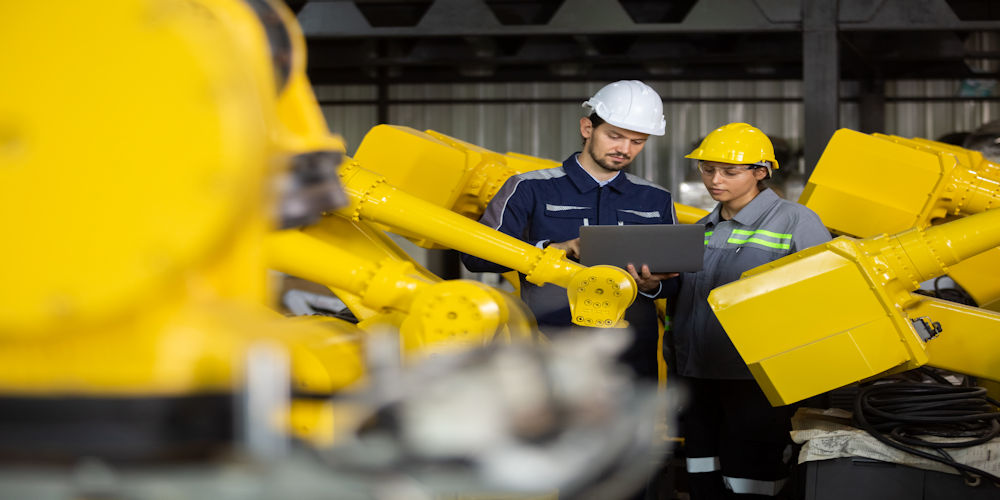
Used Heavy Equipment Sales in the UK
Are you looking to expand your fleet without breaking the bank? Buying used heavy equipment is a smart and cost-effective solution for many businesses in the UK. From powerful excavators to versatile loaders, the second-hand market offers a huge range of high-quality construction machinery. This guide will walk you through everything you need to know, from finding the right machine to securing a great deal. Let’s get started on finding the perfect equipment for your projects.
When searching for used construction machinery in the UK, you’ll find a massive selection to choose from. The market is filled with equipment designed for various tasks, whether you’re in construction, agriculture, or shipping. Popular choices often include mini excavators, which are perfect for smaller sites and tight spaces.
Understanding the main categories can help you narrow down your search. Below, we’ll look at the most common types of construction machinery and the essential plant equipment and attachments that can boost your operational efficiency.
Popular Construction Machinery (Excavators, Loaders, Dumpers)
Excavators are one of the most sought-after pieces of used construction machinery. These powerful machines are essential for digging, trenching, and material handling on any job site. You can find a variety of sizes, from compact mini excavators to large-scale models from brands like Hitachi, Volvo, and Caterpillar.
Loaders are another staple, crucial for moving materials like soil, gravel, and debris. Their versatility makes them indispensable for construction and landscaping projects. Alongside them, dumpers play a vital role in transporting loose materials efficiently around a site. When buying used, you’ll find reliable dumpers and loaders that offer great value.
Together, these three types of machinery form the backbone of many operations. When you’re looking for used plant equipment, considering your project’s specific needs will help you choose the right excavator, loader, or dumper to get the job done effectively and affordably.
Plant Equipment and Attachments
Beyond the main machines, the right plant equipment and attachments can dramatically increase your versatility and productivity. Attachments allow a single machine, like an excavator, to perform multiple tasks, from breaking concrete to grading soil. This makes them a cost-effective way to expand your capabilities without buying more machinery.
Many sellers offer a range of attachments compatible with popular brands like JCB, Kubota, and Komatsu. Investing in these can transform your loading and digging operations. Some of the most popular types of used plant equipment attachments include:
- Buckets for digging and moving material
- Hydraulic breakers for demolition
- Grapples for lifting and sorting
- Augers for drilling holes
Whether you’re looking for specialised equipment for shipping or general construction, having the right attachments is key. At Hazelrigg Enterprises, our Property & Machinery Supply Services can help you source the specific items you need to enhance your fleet.
Where to Find Reliable Used Heavy Equipment Online
Finding reliable used heavy equipment online in the UK can feel overwhelming, but knowing where to look makes all the difference. There are numerous platforms, from specialised dealer websites to online auctioneers, where you can browse extensive listings. These sources connect buyers with sellers across the country, offering a convenient way to compare options from your office or home.
To ensure you make a sound investment, it is crucial to use trustworthy sites. In the next sections, we’ll explore some trusted platforms and provide tips on how to compare listings and prices effectively.
Trusted Websites and Dealer Platforms
To find reliable used heavy equipment, start with trusted websites and dealer platforms. These sites often vet their sellers and provide detailed descriptions and photos, giving you more confidence in your purchase. Specialist suppliers like Hazelrigg Enterprises have global networks to source high-quality machinery, even for specific sectors like port operations and energy.
Auctioneers are another excellent option, offering a wide range of equipment at competitive prices. Many auctions are now held online, making them accessible to buyers across the UK. Whether you are searching for used excavators or vintage tractors, these platforms are valuable resources.
When looking for a machine, consider platforms that specialise in your industry. Here’s a quick comparison of where you can look:
| Platform Type | Best For |
|---|---|
| Specialist Suppliers | Sourcing specific or rare machinery with expert support. |
| Online Auctioneers | Finding a wide variety of equipment at competitive prices. |
| Dealer Platforms | Browsing vetted listings from multiple professional sellers. |
Comparing Listings and Price Options
Once you’ve found a few potential machines, the next step is to compare the listings and price options carefully. Don’t just look at the asking price; consider the overall value. A machine that costs less upfront might need expensive repairs, making it a costlier choice in the long run.
When comparing prices for used construction machinery from different sellers, look at the details provided in the listings. A comprehensive listing should include clear photos from all angles, the machine’s age, and the number of hours it has been used. Pay attention to the location, as shipping costs can significantly impact the final price.
To make an informed decision, create a checklist to compare different options. Key factors to consider include:
- The machine’s age, hours, and overall condition.
- Included attachments or features.
- The seller’s reputation and any available service history.
Buying from Dealership vs Private Sellers
A big question when buying used equipment in the UK is whether to purchase from a dealership or a private seller. Both options have their benefits and drawbacks, and the right choice often depends on your budget, experience, and risk tolerance. Dealerships may offer more security, while private sales could present a bargain.
Understanding the differences between these two avenues is key to making a decision you feel good about. We will explore what sets them apart and how to assess a seller’s credibility, regardless of which path you choose.
Key Differences and Buyer Considerations
The primary difference between buying from a dealership and a private seller lies in the level of service and assurance you receive. A dealership or specialist supplier like Hazelrigg Enterprises often provides inspected machinery, potential warranties, and after-sales support. Their reputation is built on selling reliable equipment, offering you peace of mind.
On the other hand, buying from private sellers can sometimes lead to a lower price, as they don’t have the overheads of a commercial operation. However, this route typically comes with more risk. The sale is usually “as is,” meaning you are responsible for any issues that arise after the purchase.
Key buyer considerations should include your own mechanical knowledge. If you’re not an expert, the expert advice and support from a dealership can be invaluable. If you are confident in your ability to inspect a machine thoroughly, a private sale might be a good way to save money.
Assessing Seller Reputation and Credibility
Regardless of whether you choose a dealership or a private seller, assessing their reputation and credibility is vital. A reputable seller will be transparent and willing to answer all your questions. Look for established businesses with a history of positive customer feedback. For private sellers, ask for how long they’ve owned the machine and why they are selling it.
You can check a company’s credibility through online reviews, testimonials, or industry forums. For instance, Hazelrigg Enterprises prides itself on its quality statement and testimonials, showcasing a commitment to customer satisfaction. Don’t hesitate to ask for references if you have any doubts.
Before finalising a purchase, especially for used farm or construction equipment, verify the seller’s claims. Here are a few ways to do that:
- Request to see the original purchase documents.
- Check for any outstanding finance on the equipment.
- Confirm their identity and business registration if applicable.
What to Look for When Inspecting Used Machinery
Inspecting used machinery in person is one of the most important steps in the buying process. This is your opportunity to ensure the equipment is in very good condition and functions as advertised. Even if the listing looks perfect, a physical inspection can reveal hidden issues that you wouldn’t spot in photos.
Never skip this step, as it’s your best defence against a bad investment. Below, we’ll cover how to verify the machine’s condition and what documents to check to ensure everything is in order before you commit to buying.
Verifying Condition and Service History
To properly verify the condition of used construction machinery, a thorough inspection is essential. Start with a visual check of the entire machine. Look for signs of major wear and tear, such as cracks in the frame, significant rust, or fluid leaks from the engine or hydraulic systems. Pay close attention to key components like the undercarriage on an excavator or the tyres on a loader.
Next, ask the seller for the complete service history. A well-maintained machine should have records of regular maintenance and repairs. This documentation provides valuable insight into how the equipment has been cared for and can help you anticipate future maintenance needs. A seller who readily provides this information is often more trustworthy.
If you aren’t an expert, consider hiring a qualified mechanic to perform the inspection for you. Their trained eye can spot potential problems that you might miss. This small investment can save you from purchasing a machine that requires costly repairs down the line.
Checking Hours, Documents, and Warranties
When inspecting a machine, one of the first things to check is the hour meter. The number of hours indicates how much the machine has been used and is a key factor in determining its value and remaining lifespan. Ensure the reading seems consistent with the machine’s overall wear and tear.
It’s also crucial to review all relevant documents. A legitimate seller should be able to provide the original bill of sale, the owner’s manual, and any service history records. These documents confirm ownership and help you understand the machine’s past.
Finally, inquire about any available warranties. While most private sales won’t include one, many dealers offer limited warranties on their used equipment. Here’s what to check:
- Hour Meter: Does it match the machine’s condition?
- Ownership Documents: Is the V5C logbook (if applicable) and bill of sale present?
- Warranties: Are there any dealer-backed or remaining manufacturer warranties?
Financing and Payment Options for Used Heavy Equipment
Purchasing used heavy equipment is a significant investment, but flexible financing and payment options can make it more manageable. Many lenders and dealerships in the UK offer plans specifically tailored for acquiring machinery. These options allow you to spread the cost over time, helping you manage your cash flow while getting the equipment you need.
It’s also important to understand the full cost, including any applicable VAT. In the following sections, we’ll look at the types of financing available and how to handle payments and paperwork securely.
Available Financing Plans in the UK
Yes, you can get financing options when buying used heavy equipment in the UK. Many specialised lenders offer financing plans designed for business assets. The most common options are hire purchase and finance lease agreements. With hire purchase, you make regular payments and own the machine at the end of the term. A finance lease is more like a long-term rental, offering lower monthly payments.
When applying for finance, lenders will assess your business’s financial health and credit history. Having a solid business plan and financial records will increase your chances of approval. Some dealers may also offer their own in-house financing, which can simplify the buying process.
Don’t forget to account for Value Added Tax (VAT) in your budget. Most business-to-business sales of used machinery will have VAT added to the price. If your business is VAT-registered, you can typically reclaim this amount, but you’ll need to pay it upfront.
Secure Payments and Legal Paperwork
Once you’ve agreed on a price, ensuring secure payment and proper legal paperwork is essential to protect both you and the seller. Avoid paying with cash for large transactions. A bank transfer is one of the most secure methods, as it creates a clear digital record of the payment. Always get a receipt or invoice that details the transaction.
The legal paperwork is crucial for transferring ownership officially. The most important document is the bill of sale. This legally binding contract should include all the key details of the transaction. For a smooth transfer, make sure you have the following:
- A detailed bill of sale signed by both parties.
- The original V5C logbook if the vehicle is road-registered.
Finally, if the machine needs to be moved, discuss shipping arrangements. Clarify who is responsible for the cost and logistics of transportation. Reputable suppliers like Hazelrigg Enterprises can often help arrange shipping as part of their Property & Machinery Supply Services.
Used Heavy Equipment for Sale in the UK
Exploring used heavy equipment for sale in the UK offers a wealth of opportunities for buyers looking to invest wisely. With various categories available, from popular construction machinery to essential plant equipment, it’s crucial to know where to find reliable listings and evaluate the credentials of both dealers and private sellers. Inspecting the machinery thoroughly and understanding financing options can significantly enhance your purchasing experience. Whether you’re a seasoned contractor or a first-time buyer, making informed decisions will not only save you money but also provide peace of mind. If you’re ready to dive into the world of used heavy equipment, get in touch with our experts for a free consultation to guide you through the process!