
Injury Diagnosis & Rehabilitation: A Smarter Path to Recovery
Sports injuries can be frustrating, disruptive, and, if not treated properly, prone to lingering or recurring issues. That’s why effective recovery isn’t just about rest; it’s about a structured, personalised approach that treats the root cause, not just the symptoms. Comprehensive injury diagnosis and rehabilitation combines targeted treatment, movement analysis, and progressive recovery strategies to help you heal properly, regain strength, and reduce the risk of future injury.
Whether you’re an athlete recovering from an acute setback or dealing with ongoing musculoskeletal pain, the right therapy plan can make all the difference in getting you back to full function with confidence.
Why Therapy Matters in Injury Recovery
Rehabilitation therapy goes far beyond basic injury treatment. It’s a complete system designed to support recovery while improving how your body moves and performs. From pain relief to performance enhancement, it plays a central role in long-term health and resilience.
Here’s how:
1. Managing Pain & Speeding Up Recovery
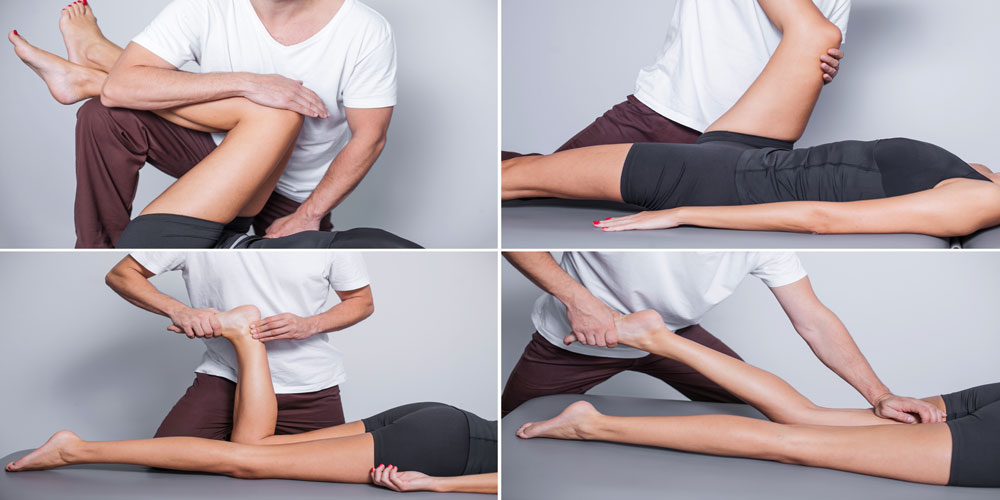
Pain and inflammation are often the first hurdles after an injury. Skilled therapists use a combination of hands-on techniques, guided exercises, and treatments such as ultrasound or electrotherapy to reduce discomfort and promote healing.
But pain relief is only the beginning.
Therapy also focuses on restoring mobility and flexibility. Injuries often lead to stiffness and restricted movement, which, if left unaddressed, can delay recovery. Through structured stretching and mobilisation work, you can gradually regain your full range of motion.
Strength is another critical piece. Weak or underactive muscles increase the risk of reinjury, so rehabilitation programmes are designed to rebuild stability and support around the affected area. This well-rounded approach helps you recover not just faster, but more completely.
2. Preventing Future Injuries
A good rehabilitation plan doesn’t stop at recovery, it looks ahead.
Therapists assess how your body moves, identifying imbalances, weaknesses, or poor mechanics that may have contributed to the injury in the first place. These insights are then used to create targeted exercise programmes that correct those issues.
Just as importantly, education plays a role. Learning proper movement techniques, posture, and training habits can significantly reduce strain on the body. When you understand how to move efficiently, you’re far less likely to end up back at square one.
3. Enhancing Athletic Performance
Therapy isn’t only reactive — it’s proactive.
By improving strength, flexibility, coordination, and overall conditioning, rehabilitation programmes can also elevate your physical performance. Addressing inefficiencies in movement allows your body to function more smoothly and effectively.
Therapists can also tailor programmes to your specific sport or activity, whether your goal is building endurance, increasing power, or improving agility. The result? Better performance, with a lower risk of injury holding you back.
4. A Truly Comprehensive Rehabilitation Approach
Effective rehab is about more than healing a single injury, it’s about restoring full-body function.
Personalised programmes often include a combination of:
- Strength training to rebuild muscle function
- Flexibility work to improve mobility
- Manual therapy and treatment modalities to support healing
- Core stability training to enhance balance and posture
A strong core, in particular, is essential. It supports nearly every movement you make and plays a major role in preventing future injuries. By building a solid foundation, you’re better equipped to return to both daily activities and sport.
5. Education: The Key to Long-Term Success
One of the most valuable aspects of therapy is what you learn from it.
Understanding how to warm up properly, stretch effectively, and recognise early warning signs of fatigue can help you avoid future problems. Therapists also guide you on managing workload, preventing overuse injuries, and maintaining long-term physical health.
This knowledge empowers you to take control of your recovery, and stay injury-free moving forward.
Achieving Long-Term Health & Performance
Comprehensive injury diagnosis and rehabilitation is about more than short-term fixes. It’s a holistic approach that restores movement, rebuilds strength, and enhances overall function.
With personalised care, targeted exercises, and expert guidance, therapy helps you return to your activities stronger, more resilient, and better prepared than before. Whether your goal is simply to move pain-free or to perform at your peak, the right rehabilitation plan sets the foundation for lasting results.