
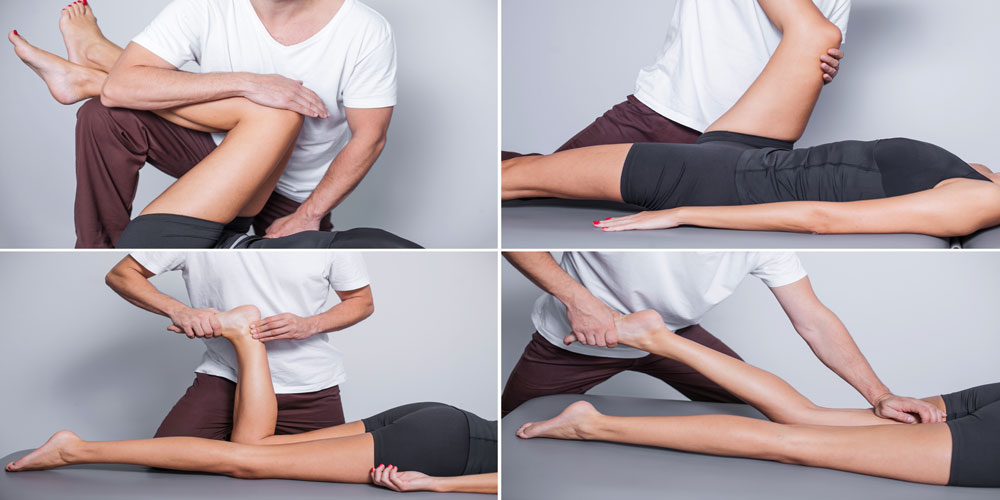
Comprehensive Injury Diagnosis & Rehabilitation
When a sports injury strikes, recovery isn’t just about resting and hoping for the best. It requires a structured, personalised approach that targets the root cause, supports healing, and helps prevent the problem from coming back. That’s where effective therapy plays a vital role.
Whether you’re a competitive athlete dealing with a sudden injury or someone managing long-term musculoskeletal pain, the right injury diagnosis & rehabilitation plan can restore movement, reduce discomfort, and get you back to doing what you enjoy—with confidence.
Why Therapy Matters in Sports Injury Recovery
Therapy goes far beyond simply treating symptoms. It takes a full-body, long-term view of your health, focusing not just on recovery, but on improving how your body moves and performs overall.
Here’s how it supports every stage of your rehabilitation journey:
1. Pain Relief and Faster Recovery
One of the biggest challenges after an injury is managing pain and inflammation. Skilled therapists use a combination of techniques, such as hands-on treatment, guided exercises, and supportive modalities like ultrasound or electrotherapy, to reduce discomfort and promote healing.
But pain relief is only the beginning.
Restoring mobility is just as important. Injuries often lead to stiffness and restricted movement, which can slow recovery if left unaddressed. Through targeted stretching and mobilisation, therapy helps you regain flexibility and full range of motion.
Strength also plays a critical role. Weak muscles around an injured area can delay healing and increase the risk of further injury. A well-designed rehabilitation plan rebuilds that strength, creating better support and stability.
The result? A safer, more efficient recovery that gets you back to activity sooner.
2. Preventing Future Injuries
Rehabilitation isn’t just reactive, it’s proactive.
A key part of therapy involves identifying underlying issues that may have contributed to the injury in the first place. This could include muscle imbalances, poor movement patterns, or weaknesses in specific areas of the body.
Once these risk factors are identified, therapists create targeted exercise programmes to correct them. This improves overall movement efficiency and reduces strain on vulnerable areas.
Education is equally important. Learning proper technique, posture, and body mechanics can make a significant difference in preventing injuries, especially for athletes or those with physically demanding routines.
3. Enhancing Performance
Therapy isn’t only about getting back to where you were, it’s about helping you perform even better.
By improving strength, flexibility, coordination, and control, therapy supports optimal physical performance. It also addresses subtle inefficiencies in movement that may be holding you back.
Programmes can be tailored to your specific goals, whether that’s building endurance, increasing power, improving agility, or refining sport-specific skills.
In many cases, athletes return not just recovered, but stronger, more balanced, and better prepared.
4. Personalised Rehabilitation Programmes
No two injuries — or individuals — are the same. That’s why effective injury diagnosis & rehabilitation plan is always tailored.
A comprehensive programme focuses on restoring full function by addressing your specific limitations. This may include:
- Strength training to rebuild muscle support
- Flexibility work to restore movement
- Manual therapy to improve joint mobility
- Modalities like heat, cold, or electrotherapy to reduce pain and inflammation
Core stability is often a central focus. A strong core supports posture, balance, and efficient movement, all of which are essential for both recovery and injury prevention.
5. Education for Long-Term Health
One of the most valuable aspects of therapy is what you learn along the way.
Understanding how your body works, and how to care for it, can make a lasting difference. Therapists provide guidance on:
- Effective warm-up and cool-down routines
- Safe training techniques
- Recognising early signs of fatigue or strain
- Avoiding overuse injuries
This knowledge empowers you to take control of your health and stay active with confidence.
The Bigger Picture: Recovery, Strength, and Confidence
Therapy is more than a treatment, it’s a complete approach to recovery and performance. It combines expert assessment, targeted rehabilitation, and practical education to support every aspect of your physical wellbeing.
Whether you’re recovering from an injury or looking to improve how your body performs, the right approach can help you move better, feel stronger, and reduce the risk of future setbacks.
With personalised care and a focus on long-term results, you’ll not only recover, you’ll come back ready to perform at your best.