
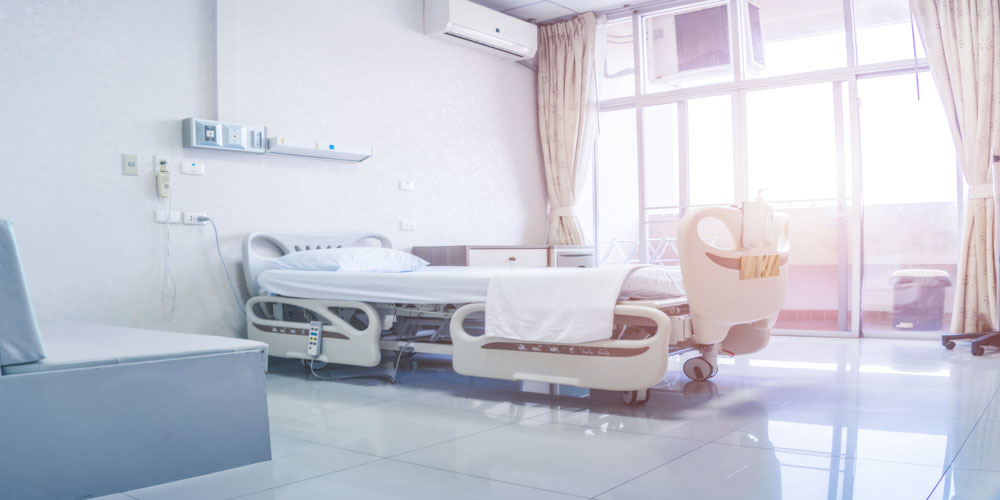
Why Integrated Medical Headwalls Are Transforming Modern Healthcare Environments
Integrated medical headwalls are rapidly reshaping the way hospitals and clinics across the UK design and manage patient rooms. By bringing together essential medical services, utilities and technology into one coordinated system at the bedside, they are helping healthcare providers create safer, more efficient and more welcoming clinical environments. From new hospital builds to complex refurbishments, modern medical headwall systems are now seen as a key element of high-performing hospital infrastructure, supporting better patient outcomes, smoother workflows and more resilient, future-ready healthcare facilities.
What Are Integrated Medical Headwalls? Key Components and Core Functions
An integrated medical headwall is a carefully engineered unit, usually mounted behind or beside the patient bed, that consolidates all critical bedhead services in a single, organised structure. Instead of having separate fittings scattered across walls and ceilings, the headwall brings everything together into a coherent, easy-to-use system.
Typical components include medical gas outlets for oxygen, vacuum and other gases, safely grouped and clearly labelled to reduce the risk of error. Electrical services are integrated, providing dedicated power sockets for clinical equipment as well as general use, often with built-in surge protection and emergency backup capability. Modern headwalls also incorporate nurse call integration so patients and staff have reliable, immediate communication with the wider care team.
In addition, data and IT ports are neatly housed within the unit, supporting clinical monitoring, electronic patient records and digital imaging systems at the bedside. Many solutions use modular headwall design, allowing hospitals to configure different panels and components according to the needs of each department. This modularity makes it easier to upgrade technology, reconfigure spaces and adapt to changing clinical requirements without a major infrastructure overhaul.
Clinical Benefits: How Integrated Medical Headwalls Enhance Patient Safety and Care Quality
From a clinical perspective, integrated medical headwalls directly support safer care and more consistent standards. By consolidating medical gases, power, data and nurse call into a clearly laid out system, they help reduce clinical errors associated with tangled hoses, poorly labelled outlets or improvised equipment placement. Staff can see at a glance where everything is located, which improves situational awareness and minimises the time spent searching for critical connections.
Better monitoring is also supported, as clinical devices such as vital signs monitors, infusion pumps and telemetry can be connected in a more orderly fashion, with data ports and power precisely where they are needed. This allows for more reliable continuous observation, particularly in higher-acuity settings such as HDU and ICU, and can contribute to earlier detection of patient deterioration.
Infection prevention is another key benefit. Because cables, hoses and devices can be routed and housed more neatly, there are fewer dust traps and hard-to-clean areas. Modern surfaces and finishes are selected for ease of decontamination, supporting infection control standards and helping hospitals meet stringent regulatory expectations. Safer cable management reduces trip hazards and accidental disconnections, particularly important during emergencies when multiple team members are working around the bed.
Rapid emergency access is built into the design. Clinicians can reach gas outlets, suction and emergency power quickly, without needing to navigate around cluttered equipment. This can make a crucial difference during resuscitation or other time-critical interventions. Overall, integrated headwalls support improved clinical workflows at the bedside, allowing staff to focus more on direct patient care and less on managing a chaotic environment.
Operational Efficiency: Streamlining Workflows and Reducing Staff Workload
From an operational viewpoint, integrated medical headwalls help streamline workflows and reduce the burden on already stretched clinical teams. With nursing efficiency under increasing pressure, a well-designed headwall can make everyday tasks faster and more predictable. Equipment is easier to locate, connections are standardised, and the physical layout around the bed encourages a logical sequence of care activities.
Reduced response times are a natural consequence of this organisation. When nurses can rapidly connect devices, adjust gases or access data, less time is wasted on non-value-adding tasks. Time-saving solutions, such as clearly grouped power outlets and pre-planned mounting points for equipment, reduce the need for ad-hoc fixes and workarounds. Over the course of a shift, these small efficiencies can significantly cut cumulative time spent on setup and troubleshooting.
An organised bedside environment also contributes to lower staff fatigue and frustration. When the physical space supports rather than hinders clinical work, staff report feeling more in control and less mentally overloaded. This can translate into improved staff productivity and fewer errors, as team members are not constantly battling disorganised cabling or insufficient access to utilities. For estates and facilities teams, integrated systems can simplify maintenance schedules and minimise disruption to clinical areas.
Patient Experience: Creating Calmer, More Comfortable and Human-Centred Rooms
Patient-centred design is an increasingly important goal in modern healthcare, and integrated medical headwalls play a significant role in shaping the look and feel of patient rooms. By consolidating and concealing much of the technical infrastructure, they help create a more calming, healing environment, particularly for patients who may feel overwhelmed by traditional, equipment-heavy rooms.
Reduced visual clutter is a major advantage. Instead of a jumble of wires, boxes and fittings, patients and families see a clean, coordinated wall system where clinical elements are either neatly arranged or discreetly hidden when not in use. Integrated lighting can be incorporated into the headwall, allowing for softer, more comfortable illumination at night and task lighting for clinical procedures, all without the harshness of older fixtures.
Noise reduction can also be supported, as some headwall systems are designed with sound-dampening materials and thoughtful positioning of equipment, improving rest and sleep quality. Privacy and dignity are considered in the layout, with options to integrate curtains, reading lights, and storage for personal items, helping patients feel less exposed and more at ease.
Family-friendly spaces are easier to create when the clinical infrastructure is well organised. A tidy room with intuitive controls and fewer visible hazards encourages family members to stay, participate in care discussions and provide emotional support. All of this builds towards greater patient comfort and a perception of high-quality, modern care, which can positively influence satisfaction scores and overall experience.
Design Considerations: Planning Integrated Medical Headwalls for New Builds and Refurbishments
When planning integrated medical headwalls for either new hospital projects or refurbishments, healthcare design teams must balance clinical needs, regulatory requirements and architectural constraints. Early integration of headwall planning into the wider hospital refurbishment or new-build design process is essential, ensuring that bedhead services are properly coordinated with structural elements, ceiling services and circulation routes.
Layout optimisation is a critical consideration. The position of the bed, windows, doors, clinical equipment and family seating all influence where and how the headwall should be installed. Designers must allow sufficient space for staff to work safely around the bed, while still delivering space-saving solutions that maximise capacity within wards and departments.
Compliance with UK guidelines and HTM standards, such as those governing medical gases, electrical systems and ventilation, must be built into the design from the outset. Future-proof design is another central aim: modular systems and flexible configurations allow hospitals to adapt as clinical practice and technology evolve, without needing to strip out and replace entire installations. Thoughtful attention to finishes, ergonomics and integration with ward aesthetics ensures that headwalls complement, rather than dominate, the overall healthcare environment.
Compliance, Safety and UK Regulatory Requirements
In the UK, integrated medical headwalls must conform to a rigorous framework of healthcare regulations and NHS standards. Key documents include HTM 02-01 for medical gas pipeline systems and HTM guidance for electrical and communications services, such as HTM 08 series. These set out detailed requirements for design, installation, testing and ongoing management.
Medical gas compliance is paramount, ensuring that gas outlets on the headwall are safe, correctly identified and supplied by certified pipeline systems. Electrical safety must be addressed through appropriate zoning, protective devices and resilient circuits designed for clinical risk areas. Infection control standards influence material choices, surface finishes and the ease with which the headwall can be cleaned and disinfected.
Fire safety considerations extend to cable selection, routing and compartmentation, as well as the behaviour of materials in the event of a fire. The Care Quality Commission (CQC) expects providers to maintain safe premises and equipment, so integrated headwalls must stand up to regulatory scrutiny during inspections. By working with experienced manufacturers and installers who understand NHS expectations, trusts and private providers can ensure their headwall systems support both safety and compliance obligations.
Technology Integration: Smart, Connected and Future-Ready Headwalls
As digital health continues to advance, integrated headwalls are becoming key enablers of smart, connected hospital environments. Modern systems can be designed with built-in support for nurse call systems, patient entertainment platforms and advanced clinical monitoring at the bedside. Data connectivity and robust IT infrastructure within the headwall make it easier to deploy and update these technologies over time.
IoT devices, such as smart sensors for environmental monitoring or asset tracking, can be integrated into the headwall framework, supporting smart hospital initiatives. Telehealth at the bedside is increasingly feasible, with screens, cameras and audio systems allowing remote consultations, specialist input and virtual family visits. This is especially valuable in isolation rooms or where visiting is restricted.
By planning for interoperability and scalability, integrated headwalls help hospitals avoid fragmented, bolt-on solutions that quickly become obsolete. Instead, they provide a structured platform for digital health integration, enabling trusts to roll out new software, monitoring tools or communication systems with minimal disruption to clinical areas.
Customisation Options: Tailoring Headwalls to Different Clinical Settings
One of the strengths of integrated medical headwalls is the ability to tailor configurations to the specific demands of different departments. In ICU headwalls, for example, the focus may be on a higher number of medical gas outlets, multiple power supplies, extensive monitoring connectivity and space for mounting life-support equipment. Layouts are designed to support complex, continuous interventions.
In A&E headwalls, rapid access and flexibility are essential, with configurations that support quick turnover of patients and immediate emergency response. Maternity units and paediatric wards may require softer aesthetics, child-friendly or family-focused features, and additional storage for specialised equipment, while still complying with clinical and safety requirements.
Private patient rooms and mental health settings often prioritise a more domestic or non-institutional appearance, with bespoke finishes and concealed services that reduce the sense of a highly medicalised environment. Modular configurations allow estates teams to standardise core components across the organisation, while still adapting details and finishes to each clinical context. This balance of standardisation and customisation helps maintain consistency in maintenance and training while supporting local clinical needs.
Cost, ROI and Long-Term Value for Healthcare Providers
Although integrated medical headwalls represent a capital expenditure, they can deliver compelling long-term value and a strong return on investment. By consolidating services and enabling faster installation compared with traditional, piecemeal approaches, they can reduce project timelines and associated costs. Off-site prefabrication of headwalls can further shorten on-site works, minimising disruption to operational wards and reducing downtime.
Lifecycle costs are typically lower when systems are designed for durability, easy maintenance and straightforward upgrades. Reduced maintenance burden, fewer call-outs and simplified access to services behind the headwall all contribute to operational savings over time. Improved efficiency at the bedside can translate into better utilisation of staff time, which is a significant cost driver for all healthcare providers.
When evaluating ROI, trusts and private hospitals can also consider indirect benefits, such as fewer incidents linked to poor cable management, reduced risk of non-compliance, and higher patient satisfaction scores. Solid budget planning that includes both initial installation and long-term lifecycle analysis can help make a persuasive business case for upgrading to integrated headwall systems across the estate.
How to Choose the Right Integrated Medical Headwall Partner
Selecting the right partner for an integrated medical headwall project is critical to achieving a successful outcome. Healthcare providers should look for suppliers and headwall manufacturers with proven experience in UK healthcare environments, a clear understanding of NHS standards and a strong track record in both new builds and refurbishments.
UK-based support can be a major advantage, ensuring responsive assistance during design, installation and ongoing operation. Robust installation and commissioning processes are essential, with thorough testing of medical gases, electrical services, data connections and nurse call integration before rooms go live. Training for clinical staff helps ensure that the benefits of the new systems are fully realised, with users confident in how to operate and troubleshoot the headwalls.
Aftercare and maintenance arrangements should be clearly defined through service-level agreements, covering response times, spare parts availability and planned preventative maintenance. A good partner will also be able to advise on future upgrades, helping trusts keep their infrastructure aligned with emerging technologies and evolving clinical requirements.
Why Now Is the Time to Invest in Integrated Medical Headwalls in Healthcare
With mounting pressures to modernise healthcare estates, improve safety and deliver smarter, more efficient patient care, now is an opportune moment for UK providers to invest in integrated medical headwalls. They offer a practical way to create safer and smarter patient rooms, underpinning future-proof infrastructure that can adapt to changing models of care and digital innovation.
As hospitals plan the next phase of capital projects and refurbishment programmes, integrated headwalls provide a clear and compelling business case: they enhance clinical quality, streamline workflows, support regulatory compliance and contribute to a more positive patient experience. By taking the next steps to schedule a consultation, review options and plan a headwall upgrade strategy, healthcare leaders can ensure their facilities are ready to meet both current demands and the evolving expectations of modern healthcare delivery.