
Why Acupuncture as a Complementary Therapy Is Gaining Ground in the UK
Acupuncture is steadily gaining recognition across the UK as a respected complementary therapy, used alongside conventional medical treatment rather than in place of it. More people are looking for holistic, person-centred ways to manage ongoing health issues, reduce pain and support their overall wellbeing. As a result, interest in complementary and alternative medicine, integrative healthcare and traditional Chinese medicine has grown. Within this landscape, acupuncture stands out because it offers natural pain relief, can be tailored to individual needs and is increasingly discussed within UK healthcare settings, from private clinics to some NHS services. For many, it represents a gentle, drug-free option that fits well with a broader, lifestyle-based approach to health.
What Is Acupuncture? Understanding the Principles Behind This Complementary Therapy
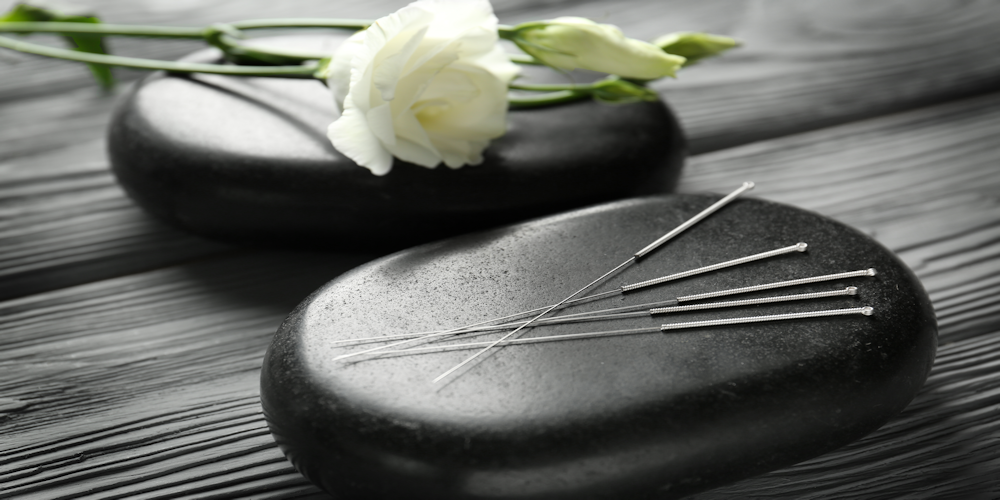
Acupuncture is a key component of traditional Chinese medicine and has been practised for thousands of years. In simple terms, it involves inserting very fine, sterile needles into specific points on the body to promote balance and support the body’s natural healing response. According to traditional Chinese medicine principles, health depends on the smooth flow of vital energy, known as “qi” (pronounced “chee”), through a network of channels called meridians. When this energy flow becomes blocked or imbalanced, physical or emotional symptoms may appear.
During treatment, an acupuncturist selects acupuncture points along these meridians to help restore harmony and encourage better energy flow. This holistic treatment approach looks at the whole person rather than focusing only on isolated symptoms. Factors such as sleep, digestion, stress levels, emotions and lifestyle are all taken into account. For many people, this broader perspective on mind–body health is an important reason why acupuncture appeals as a complementary therapy.
How Does Acupuncture Work from a Western Medical Perspective?
From a Western, evidence-based viewpoint, acupuncture is thought to work through several physiological mechanisms rather than through energy alone. Research suggests that inserting needles into specific points can stimulate the nervous system, prompting the release of endorphins and other natural pain-relieving chemicals in the brain and spinal cord. This endorphin release may help reduce the perception of pain and promote a sense of relaxation and well-being.
Scientific studies also indicate that acupuncture can influence how pain signals are processed, support better blood circulation to local tissues and help regulate inflammation in the body. Some research points to effects on the autonomic nervous system, which controls functions such as heart rate, digestion and stress responses. While not every mechanism is fully understood, ongoing acupuncture research continues to explore how these combined actions may contribute to symptom relief, improved function and better quality of life for many patients.
Key Health Conditions Acupuncture May Help With
Acupuncture is most widely known for its potential role in pain relief. Many people seek treatment for conditions such as chronic back and neck pain, joint pain related to arthritis, or recurring migraines and tension headaches. In these areas, a growing body of research suggests that acupuncture may offer meaningful support and, for some individuals, a reduction in pain intensity and frequency.
Beyond pain management, acupuncture is also used as an adjunct for a range of other health concerns. These include stress, anxiety and insomnia, where people often report improved sleep and a greater sense of calm. Women’s health is another key area, with some turning to acupuncture for menstrual problems, symptoms of menopause, fertility support and pregnancy-related discomfort. Others use acupuncture to help with digestive issues, such as irritable bowel symptoms, bloating or nausea, and to manage aspects of long-term, chronic conditions. While results vary from person to person, many find that acupuncture offers gentle, ongoing support that complements their main medical care.
Acupuncture as a Complementary Therapy Alongside Conventional Treatment
In the UK, acupuncture is increasingly used in an integrative way, working alongside NHS and private medical care rather than replacing it. Some GP practices, pain clinics and hospital services already offer limited acupuncture, particularly for musculoskeletal conditions and chronic pain. Many patients choose to see a private acupuncturist while remaining under the care of their GP or specialist, creating a multidisciplinary approach that draws on the strengths of both conventional and complementary therapies.
Acupuncture may be used to help manage medication side effects, aid post-surgery recovery, or support people undergoing cancer treatment by easing nausea, fatigue or stress. In mental health care, it is sometimes used alongside talking therapies and medication to promote relaxation and emotional balance. The key is open communication: working with your GP and informing all your healthcare providers about any complementary therapies helps ensure your care is coordinated, safe and tailored to your needs.
Is Acupuncture Safe? Risks, Side Effects and How to Minimise Them
When performed by a properly trained, qualified acupuncturist using sterile, single-use needles, acupuncture is generally considered safe for most people. Reported side effects tend to be mild and short-lived, such as slight bruising, a small drop of blood at a needle site, temporary soreness or feeling drowsy after a session. These effects usually pass quickly and can often be managed with simple aftercare advice.
However, acupuncture is not suitable for everyone, and there are important contraindications to consider. People with certain bleeding disorders, those taking blood-thinning medication, individuals with severe immune problems or specific medical devices, such as some pacemakers, may need special caution or should avoid acupuncture altogether. This is why choosing a practitioner who follows professional standards and strict hygiene procedures is essential. In the UK, looking for membership of a body such as the British Acupuncture Council provides reassurance that your acupuncturist has recognised training, abides by codes of practice and is committed to treatment safety.
What to Expect in Your First Acupuncture Session
Your first acupuncture appointment usually begins with a detailed consultation rather than immediate needle insertion. The acupuncturist will ask about your main concern, medical history, current medication and broader aspects of your health, such as sleep, digestion, energy levels and stress. This information helps them build a holistic picture and design a personalised treatment plan that reflects both your symptoms and your overall wellbeing.
When the treatment begins, you may feel a brief, fine prick as each needle is gently inserted, followed by a dull ache, warmth or tingling sensation. Many people find the experience surprisingly comfortable and relaxing, and some even fall asleep. A typical session lasts between 30 and 60 minutes, depending on the clinic and your individual needs. After treatment, you may be given aftercare advice, such as drinking water, avoiding heavy exercise straight away and paying attention to how you feel over the next day or two. The number of sessions needed varies; some people notice changes after one or two visits, while others may require a course of weekly treatments before judging the benefits.
Costs, Insurance and NHS Availability of Acupuncture as a Complementary Therapy
The cost of acupuncture in the UK varies depending on location, practitioner experience and appointment length. Initial consultations, which include a full assessment and first treatment, may be priced higher than follow-up sessions because they take longer. It is sensible to ask about fees in advance and to consider how many treatments might realistically be needed so you can budget accordingly and assess value for money over time.
Some private health insurance policies or workplace health schemes offer partial cover for acupuncture, particularly when it is provided by an accredited practitioner. Checking with your insurer or employee benefits provider can clarify what is available. NHS acupuncture availability is more limited and often focused on specific conditions, such as chronic pain, within certain services. In some cases, a GP or specialist may be able to refer you to an NHS clinic, but provision varies by region. Understanding your options, both private and NHS, allows you to make an informed financial decision about including acupuncture in your healthcare plan.
Evidence, Myths and Misconceptions About Acupuncture
The question “Does acupuncture really work?” is a common one, and it is important to look at the research evidence rather than relying solely on anecdotes or assumptions. Clinical trials and systematic reviews suggest that acupuncture can offer measurable benefits for certain conditions, particularly some types of chronic pain, headaches and postoperative nausea. In these areas, professional guidelines in a number of countries acknowledge that acupuncture may be a useful option for some patients.
At the same time, myths and misconceptions continue to surround acupuncture. Some people dismiss it as nothing more than placebo, while others may see it as a cure-all for every health problem. The reality lies somewhere in between. Like many treatments, acupuncture helps some individuals more than others, and results can vary. Separating fact from fiction means recognising both its evidence-backed uses and its limitations. Taking an informed approach, based on reputable research and professional guidance, enables you to decide whether acupuncture feels like a reasonable part of your personal health strategy.
Acupuncture and Lifestyle: Making Complementary Therapy Part of a Holistic Routine
Acupuncture often works best when it is part of a broader, holistic health approach rather than used in isolation. Many practitioners encourage patients to consider complementary changes in areas such as nutrition, exercise, sleep habits and stress management. Together, these elements can support the mind–body connection and contribute to long-term wellbeing, rather than simply addressing individual symptoms as they arise.
By combining regular acupuncture sessions with self-care routines, such as relaxation techniques, stretching, mindfulness or gentle movement, some people find they cope better with ongoing health challenges. This style of preventative healthcare focuses on maintaining balance and resilience, not just responding when problems become severe. For those who value an integrative approach, acupuncture can play a central role in a lifestyle geared towards sustainable health and improved quality of life.
Is Acupuncture the Right Complementary Therapy for You?
Deciding whether acupuncture is suitable for you is a personal choice that should be based on clear information, realistic expectations and professional advice. Potential benefits include natural support for pain, stress, sleep issues and various long-term conditions, as well as the opportunity to receive personalised care that takes your whole situation into account. For some, the calming, one-to-one nature of sessions is itself an important part of feeling better.
Before starting, it is wise to discuss acupuncture with your GP, particularly if you have an existing medical condition or are taking medication. This helps ensure that trying acupuncture is safe in your circumstances and that it fits sensibly with your wider treatment plan. If you decide to go ahead, booking a consultation with a qualified practitioner allows you to ask questions, explore your goals and understand what a course of treatment might involve. Taking this step can be a practical way of taking greater control of your wellbeing and exploring a natural, complementary option within a balanced, modern approach to healthcare.