
Thermal Imaging Inspections Can Reduce Heating and Cooling Costs
With energy prices continuing to rise and sustainability becoming a priority for homeowners and businesses alike, improving energy efficiency has never been more important. One of the most effective ways to identify energy waste within a building is through a thermal imaging inspection.
Using advanced infrared technology, thermal imaging surveys reveal hidden heat loss, air leakage, and insulation defects that may be costing you hundreds—or even thousands—of pounds each year in unnecessary heating and cooling expenses.
In this article, we’ll explore how thermal imaging works, why it matters, and how it can help you improve your property’s energy performance while reducing utility bills.
Why Energy Efficiency Matters
Energy efficiency is about using less energy to achieve the same level of comfort and performance. For both residential and commercial properties, this means lower utility bills, reduced environmental impact, and improved indoor comfort.
When a building loses heat during winter or gains excess heat during summer, heating and cooling systems must work harder to maintain comfortable temperatures. This increased demand leads to higher energy consumption, rising operating costs, and unnecessary carbon emissions.
By identifying and addressing areas of energy loss, property owners can enjoy:
- Lower heating and cooling bills
- Improved indoor comfort
- Reduced carbon footprint
- Enhanced property value
- Longer lifespan of HVAC systems
What Is Thermal Imaging?
Thermal imaging is a non-invasive inspection method that uses infrared cameras to detect temperature differences across surfaces and building components.
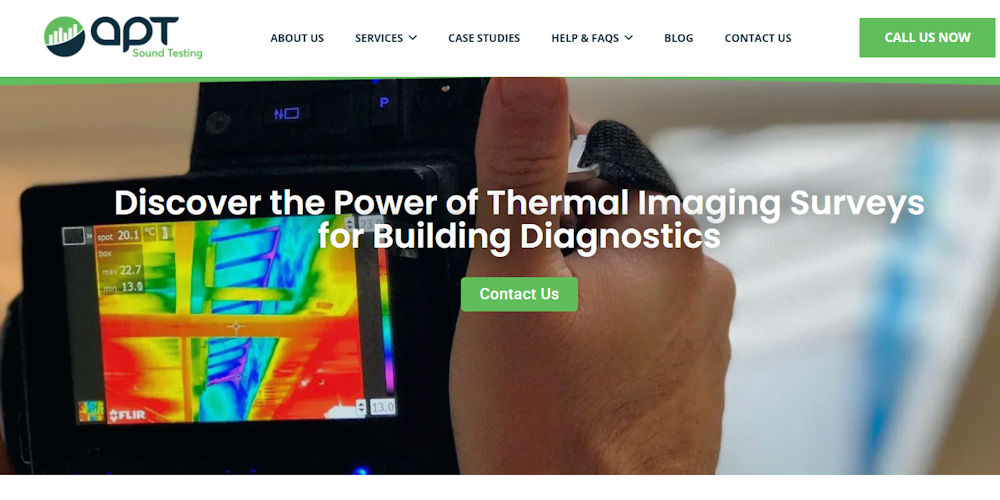
Every object emits infrared radiation based on its temperature. Thermal imaging cameras capture this radiation and convert it into a visual image known as a thermogram. The resulting image highlights warmer and cooler areas using a colour spectrum, making hidden thermal issues easy to identify.
Areas displaying unusual temperature patterns often indicate problems such as:
- Missing or damaged insulation
- Air leakage
- Moisture intrusion
- Thermal bridging
- Electrical faults
Because thermal imaging can reveal issues that are invisible to the naked eye, it has become an essential tool in building diagnostics and energy assessments.
How Thermal Imaging Works
Infrared cameras detect heat emitted from surfaces and display temperature variations using colour-coded images.
Typically:
- Red, orange, and yellow areas indicate warmer temperatures
- Blue, green, and purple areas indicate cooler temperatures
During a thermal inspection, a qualified surveyor scans the building envelope—including walls, ceilings, roofs, doors, and windows—to identify thermal anomalies.
Accurate results depend on several factors, including outdoor weather conditions, temperature differentials, building materials, and proper camera calibration. This is why professional inspections often provide far more reliable results than DIY assessments.
Understanding the Building Envelope
The building envelope is the physical barrier that separates the indoor environment from the outdoors. It includes:
- External walls
- Roofs
- Windows
- Doors
- Floors and foundations
A well-designed building envelope helps regulate temperature, control moisture, and minimise energy loss.
When any part of the envelope underperforms, heating and cooling systems must compensate, resulting in increased energy consumption and higher utility costs.
Common Building Envelope Issues
Thermal imaging inspections frequently uncover problems such as:
Air Leakage
Gaps around doors, windows, service penetrations, and construction joints can allow conditioned air to escape while letting outdoor air enter the building.
Inadequate Insulation
Poorly installed or insufficient insulation often causes significant heat loss during winter and unwanted heat gain during summer.
Thermal Bridging
Thermal bridges occur when conductive building materials bypass insulation layers, creating pathways for heat transfer.
Moisture Intrusion
Water ingress and condensation can compromise insulation performance, encourage mould growth, and cause structural deterioration.
Identifying these issues early can prevent costly repairs while significantly improving energy efficiency.
Benefits of Thermal Imaging Inspections
Detect Heat Loss and Air Leaks
One of the biggest advantages of thermal imaging is its ability to quickly identify hidden heat loss and air leakage.
Cold spots on walls, ceilings, or around openings often indicate insulation deficiencies or air infiltration points. Once identified, these areas can be sealed or upgraded to improve thermal performance.
In addition to reducing energy waste, eliminating air leaks can help improve indoor air quality by preventing pollutants, dust, and allergens from entering the building.
Improve Energy Efficiency
Thermal imaging provides a clear roadmap for targeted energy-efficiency improvements.
Rather than guessing where problems exist, property owners can focus on the areas that will deliver the greatest return on investment, such as:
- Upgrading insulation
- Replacing inefficient windows
- Sealing air leakage pathways
- Improving HVAC performance
These upgrades often result in substantial reductions in energy consumption and operating costs.
Increase Property Value
Energy-efficient properties are increasingly attractive to buyers and tenants.
Demonstrating that a building has undergone thermal assessments and energy-performance improvements can increase market appeal while supporting higher property values.
Deliver Long-Term Cost Savings
While thermal imaging inspections require an initial investment, the long-term savings can be significant.
By reducing energy waste, improving comfort, and extending the lifespan of heating and cooling equipment, many property owners achieve a strong return on investment.
In some cases, energy-efficiency upgrades identified during an inspection may also qualify for grants, rebates, or tax incentives.
Professional Thermal Imaging vs DIY Inspections
Although affordable thermal cameras are becoming more accessible, interpreting thermal images accurately requires specialist knowledge and experience.
Professional thermal imaging inspectors understand:
- Building construction methods
- Environmental influences on thermal readings
- Moisture detection techniques
- Air leakage diagnostics
- Building science principles
A trained surveyor can identify issues that may be missed by an untrained user and provide practical recommendations for remediation.
What Happens During a Thermal Imaging Inspection?
A typical thermal imaging survey involves a detailed assessment of the building envelope and critical systems.
The inspector will examine:
- External walls
- Roof spaces
- Ceilings
- Windows and doors
- HVAC systems
- Electrical installations (where applicable)
Following the inspection, you’ll receive a comprehensive report outlining:
- Areas of heat loss
- Air leakage locations
- Insulation deficiencies
- Moisture-related concerns
- Recommended corrective actions
- Potential energy savings
This information allows property owners to make informed decisions about future upgrades and maintenance.
Real-World Success Stories
Residential Property
A homeowner experiencing unusually high winter heating bills commissioned a thermal imaging inspection. The survey revealed substantial air leakage around windows and inadequate loft insulation.
After sealing the leaks and upgrading the insulation, the homeowner reduced heating costs by approximately 25% the following winter while significantly improving indoor comfort.
Commercial Office Building
A medium-sized office building underwent a thermal imaging survey as part of an energy audit.
The inspection identified extensive thermal bridging and insufficient wall insulation. Following targeted upgrades, including improved insulation and energy-efficient glazing, the building achieved an estimated 20% reduction in overall energy costs.
These examples demonstrate how thermal imaging can deliver measurable savings across both residential and commercial properties.
Conclusion
Thermal imaging inspections provide a fast, accurate, and non-destructive way to identify hidden energy losses within a building.
By uncovering air leaks, insulation defects, thermal bridges, and moisture issues, thermal imaging helps property owners improve energy efficiency, reduce utility costs, enhance comfort, and protect the long-term value of their property.
As energy costs continue to rise, investing in a professional thermal imaging inspection is a practical step towards creating a more efficient, sustainable, and cost-effective building.
Frequently Asked Questions
How much does a thermal imaging inspection cost?
Costs vary depending on the size and complexity of the property. Residential inspections typically range from £300 to £700, while commercial surveys can range from £700 to £2,000 or more.
How long does a thermal imaging inspection take?
Most inspections take between one and three hours, although larger or more complex buildings may require additional time.
Can I perform a thermal imaging inspection myself?
While consumer-grade thermal cameras are available, professional inspections provide more accurate results and expert interpretation, helping to ensure issues are correctly identified and addressed.
How often should thermal imaging inspections be carried out?
A thermal imaging inspection is recommended every few years, after major renovations, or whenever there are concerns about rising energy costs, insulation performance, or building defects.
What improvements can be made after an inspection?
Common recommendations include:
- Sealing air leaks
- Upgrading insulation
- Replacing inefficient windows and doors
- Improving HVAC system performance
- Addressing moisture-related issues
These improvements can significantly reduce energy consumption while improving comfort and building performance.
Need a Thermal Imaging Inspection?
If you’re looking to improve your building’s energy efficiency, reduce heating and cooling costs, or investigate potential insulation and air leakage issues, a professional thermal imaging inspection can provide the answers you need.
At APT Sound Testing, our experienced engineers use high-resolution thermal imaging equipment and are trained to ITC Level 3 standards. We provide detailed assessments and expert recommendations to help you maximise energy performance and identify issues that may not be visible through conventional inspections.
For more information or to arrange a thermal imaging survey, contact APT Sound Testing on 01525 303905 or email in**@****************co.uk.